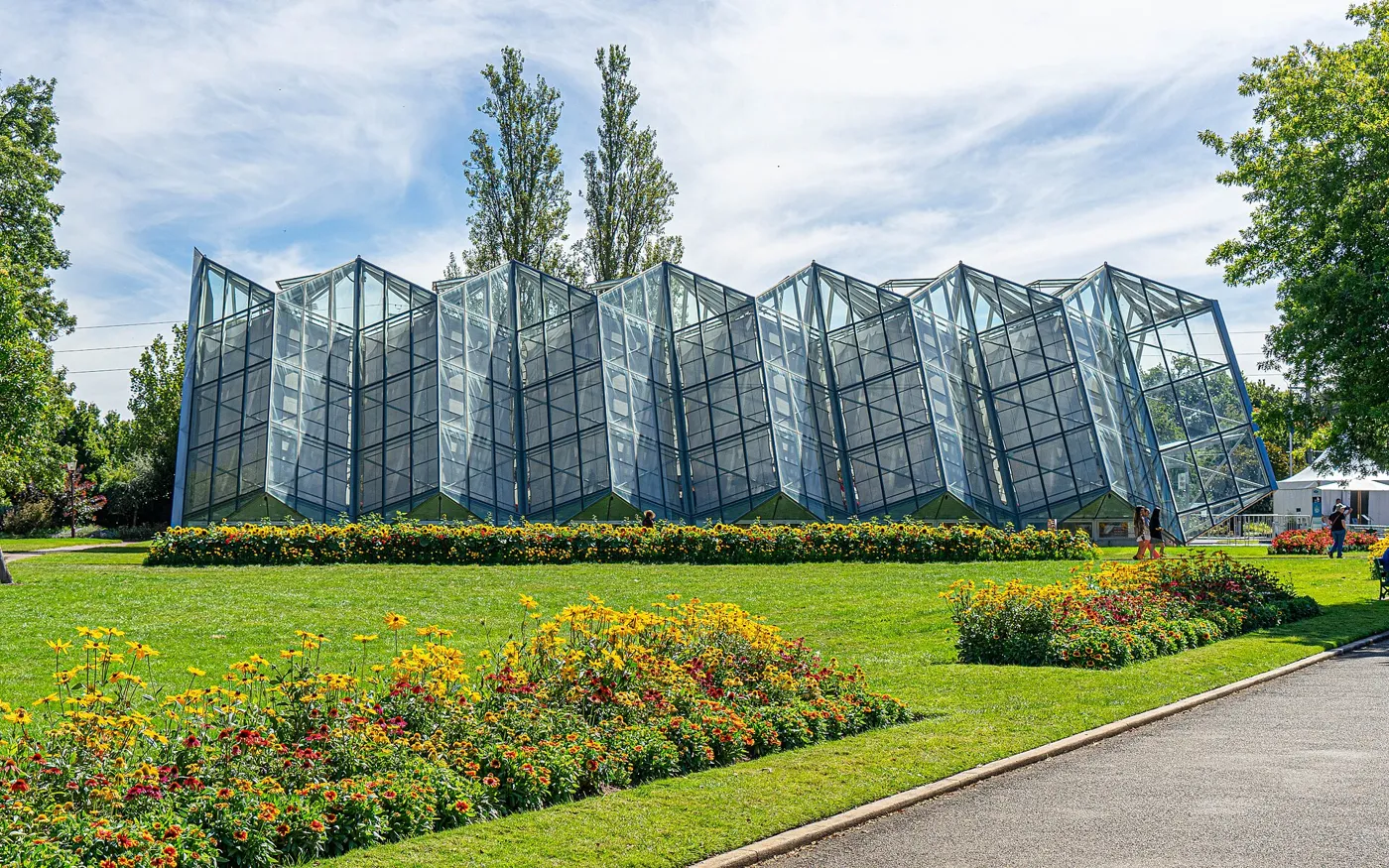
Ballarat Botanical Gardens is the old money of the gold rush, set out on a lawn. White marble gods stand under big trees, a glass conservatory glows with flowers, and a row of bronze prime ministers lines one avenue. It sits on the western shore of Lake Wendouree, so a walk round the water ends here.
The gardens were set aside in 1857 and planted from 1858 on the old police paddock. Curator George Longley oversaw the planting.
How the gardens are laid out
The reserve covers 40 hectares in three parts. The central gardens follow the gardenesque style of the Victorian pleasure garden. Open parkland buffers, called the North and South Gardens, sit on either side.
Start in the middle. That is where the statues, the conservatory and the flower beds are.

Find the marble statues
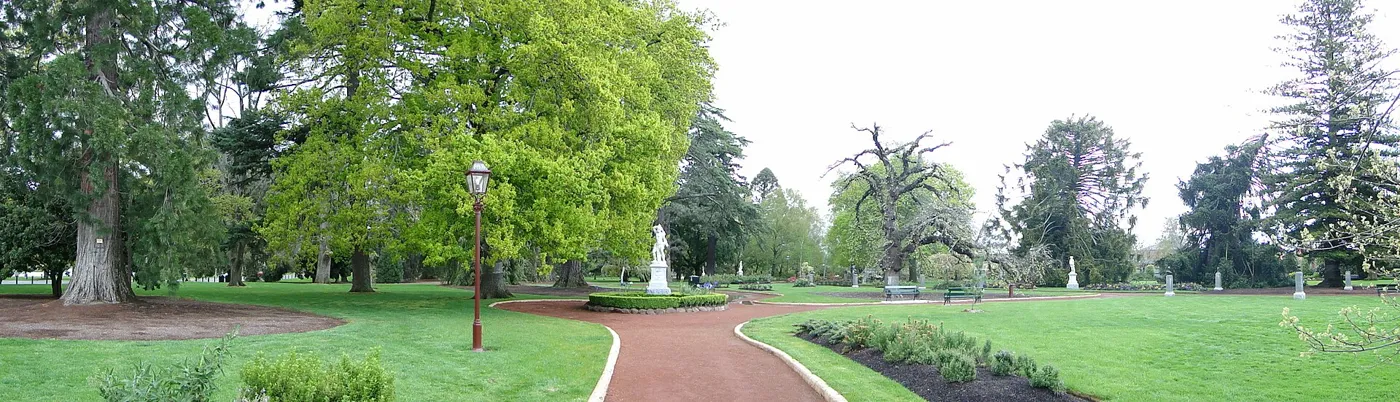
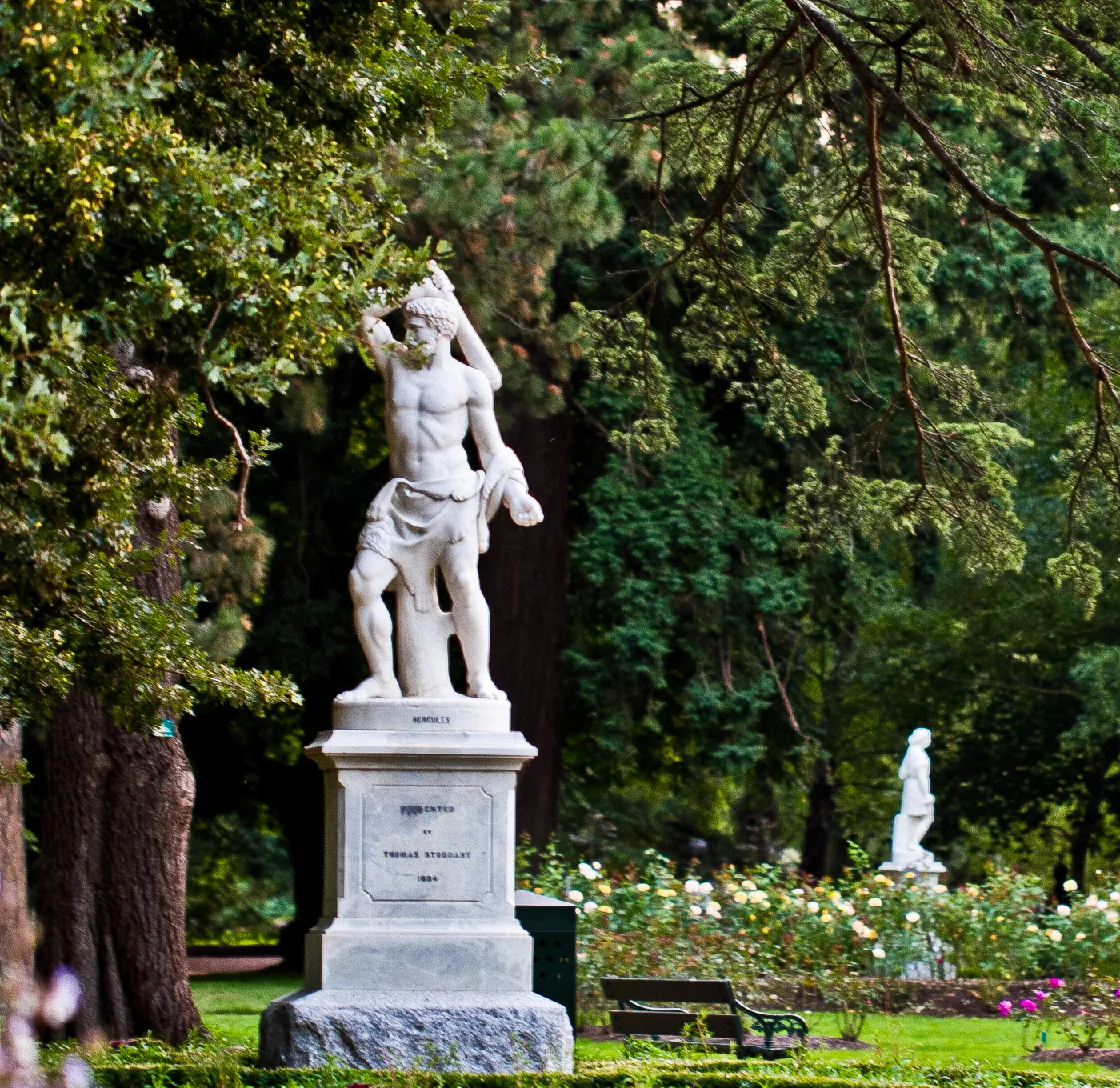
Thomas Stoddart was a former miner who became a stockbroker. He bought twelve marble statues in Italy in 1882 and gave them to the city. They were unveiled on 24 May 1884.
The twelve are figures from classical myth and the seasons: Spring, Summer, Autumn and Winter, then Hercules, Pomona, Bacchante, Hebe, Flora Farnese, Leda, Mercury and Flora. They stand along the paths, so you come across them one by one.

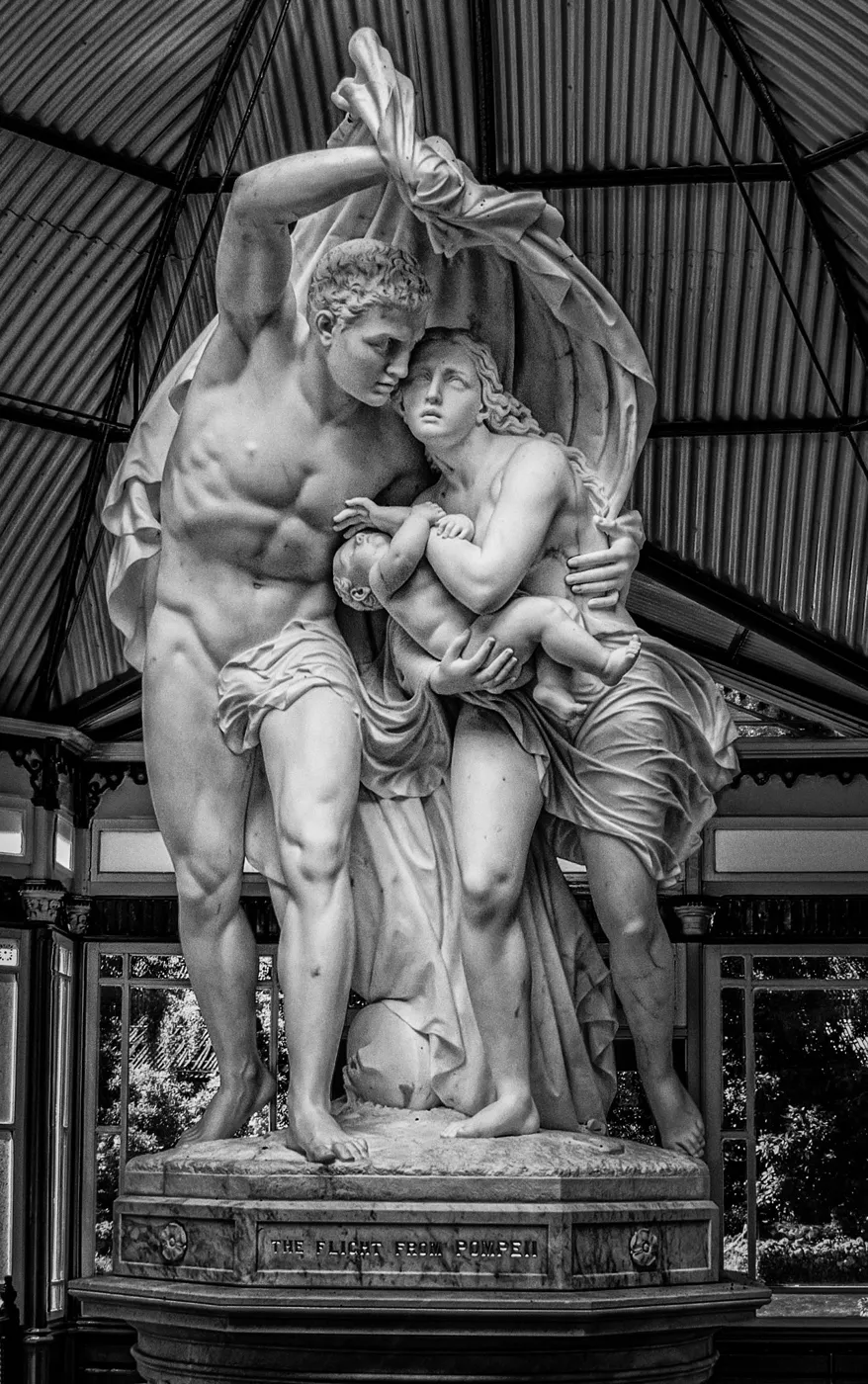
The heritage Statuary Pavilion holds the best-known piece, Flight from Pompeii. Walk right round it before you move on.

The conservatory and the begonias
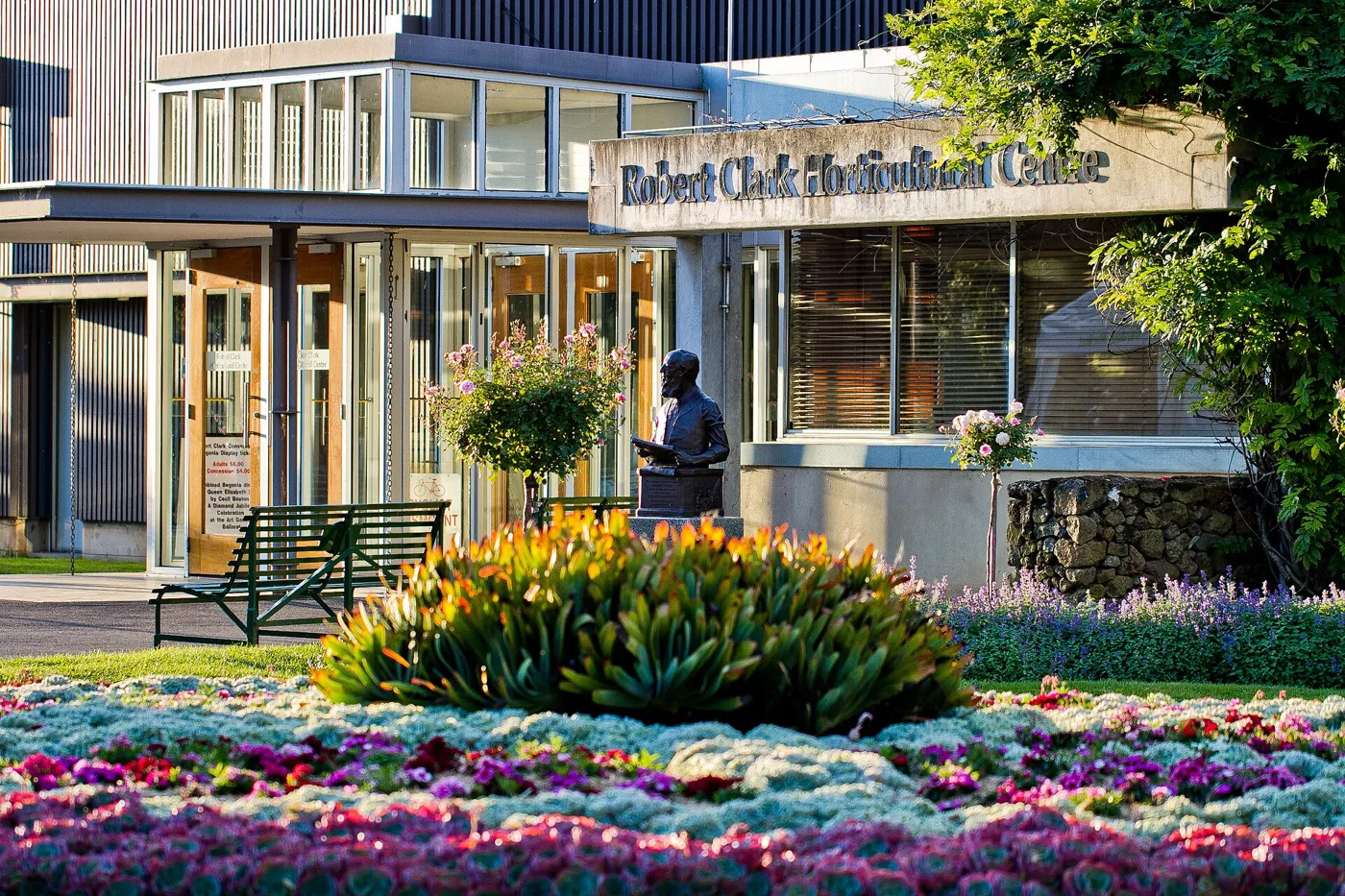
The Robert Clark Conservatory is the glass house at the heart of the gardens. It hosts the begonia display, the highlight of the Begonia Festival.
The Begonia Festival was established in 1953. Each year the council's gardeners grow thousands of begonias for the event, held in the gardens in March.

See what is on at the gardens this season, from the begonias to summer music. Open the council's events page
Prime Ministers Avenue
A collection of bronze busts of Australian prime ministers lines Prime Ministers Avenue, inside Horse Chestnut Avenue. The first twelve busts were by Wallace Anderson and were donated by Richard Crouch, who left money for more.
Ballarat has a strong link here. Alfred Deakin was the first federal member for Ballarat and the second prime minister.

The North and South Gardens
Most visitors never leave the centre. The edges are worth it.
In the South Gardens is the Australian Ex-Prisoners of War Memorial, opened on 6 February 2004. It honours the 36,000 Australians who became prisoners of war in the wars of the 20th century. The council says it is free and always open. Ballarat artist Peter Blizzard designed it as a granite wall 130 metres long, with the names etched along it.
In the North Gardens, the wetlands were built in 2001 to clean storm water before it reaches the lake. They are a good spot to see birds and rakali. Nearby, the artwork Murrup Laarr, by Wadawarrung artist Dr Deanne Gilson, sits in the Indigenous Sculpture Park.

What happens next
The heritage trams start from the depot at the south end of the gardens, so you can ride along the lake from here.
Walk the lake loop before or after the gardens. Read our Lake Wendouree guide
Should you go?
Our sources
- Wikipedia, Ballarat Botanical Gardens
- City of Ballarat, Garden events, tours and attractions
- Origins Publishing, Why Ballarat's gardens have Italian statues
- Ballarat Begonia Festival, Festival displays
- Friends of Ballarat Botanical Gardens
Checked against these pages on 26 October 2026.
Common questions
- When is the Begonia Festival?
- The council says it is held in the Botanical Gardens each March. It was established in 1953 and centres on the gardens' rare begonia collection.
- How big are the gardens?
- The reserve covers 40 hectares in three parts: the central gardens, and the North and South Gardens on either side.
- Are there guided tours?
- Yes. Volunteer guides from the Friends of Ballarat Botanical Gardens run walks, including Sunday tours in autumn and spring, and walks for booked groups.
- Where is the Prisoners of War Memorial?
- It is in the South Gardens, on the corner of Wendouree Parade and Carlton Street. The council says it is free and always open.